Showing posts with label social health. Show all posts

Monday, August 13, 2018

Wellness only in the mind?


Nutritional advice has always seemed like blah, blah to me. I mean, we eat pretty well, right? That’s more than enough to meet nutritional requirements, surely. Besides, in common knowledge, India is No.1 in the underweight population.


We need to rethink our premises. India, reportedly, is now in the top five bracket in obesity. Visceral fat afflicts the young and the old. 


I took a nutritional health check to investigate. It was a rude shock to discover that my body fat content  now exceeds the muscle mass! I joined the wellness industry immediately to restore equilibrium!

Elder sister was incensed when I offered her a free nutritional health assessment. Aren’t you a physiologist, she demanded, how do you get duped by such skulduggery? Don’t you know that wellness is only in the mind? I tell you, you’re in for a terrible let-down!

I do have a few academic degrees, so perhaps, I can think for myself. Fact is our habits have become sedentary. Culturally popular foods stimulate our taste-buds, but their regular intake doesn’t help our waistline. Their nutritional values may be compromised.

The assessment is a good indicator of our current state of health. The knowledge helps us make informed decisions. What we do about our lifestyles thereafter is entirely our own choice.

I continued my explorations of this micro-nutrition business. I did feel a difference in a few weeks. There was 1% decrease in my body fat and, concomitantly, 0.3% increase in my muscle content. 


Elder sister would need to perceive pretty obvious results to calm down. Hopefully, we shall get there - to wellness in body and mind.




Monday, April 25, 2016

Are we ready to meet the mosquito?


The good news is the zika virus, carried by the mosquito, has not been detected in India. The bad news? In this country of over a billion people, the viral strike of birth defects could wipe out generations.

Many might believe this to be scare mongering. Or is their attitude simply the dismal index of our preparedness? Zika is the virus identified in Brazil and carried by the Aedes mosquito genus. The Aedes, also known as the Asian tiger mosquito, with distinctive white markings on its legs, already exists in India. It is known to have a painful bite, transmitting certain diseases to humans and other animals. Infected adults suffer through fevers and painful joints before they appear to recover.

In India, such disease attacks occur periodically, in tune with the monsoon seasons. Dengue and Chikungunya are common around the country; they are hardly taken seriously any more. Amongst the scientific community, however, there are uneasy murmurings. The individuals attacked, they suspect, are not really cured.

Instead, the virus goes dark, becomes dormant. It hides in organs not usually tested, biding its time, awaiting fresh pastures. The zika virus may thus pass from generation to generation until it finds a suitable host. It has been implicated in attacking fetal development in the womb causing microcephaly – the shrinking of the brain.

The mosquito is the single largest insect community affecting humans. They are found in all parts of the country, a tally of at least 225 species. Indeed, over a hundred mosquito species are disease carriers. Diseases unheard of before, like yellow fever or West Nile Virus have now been located in pockets. 


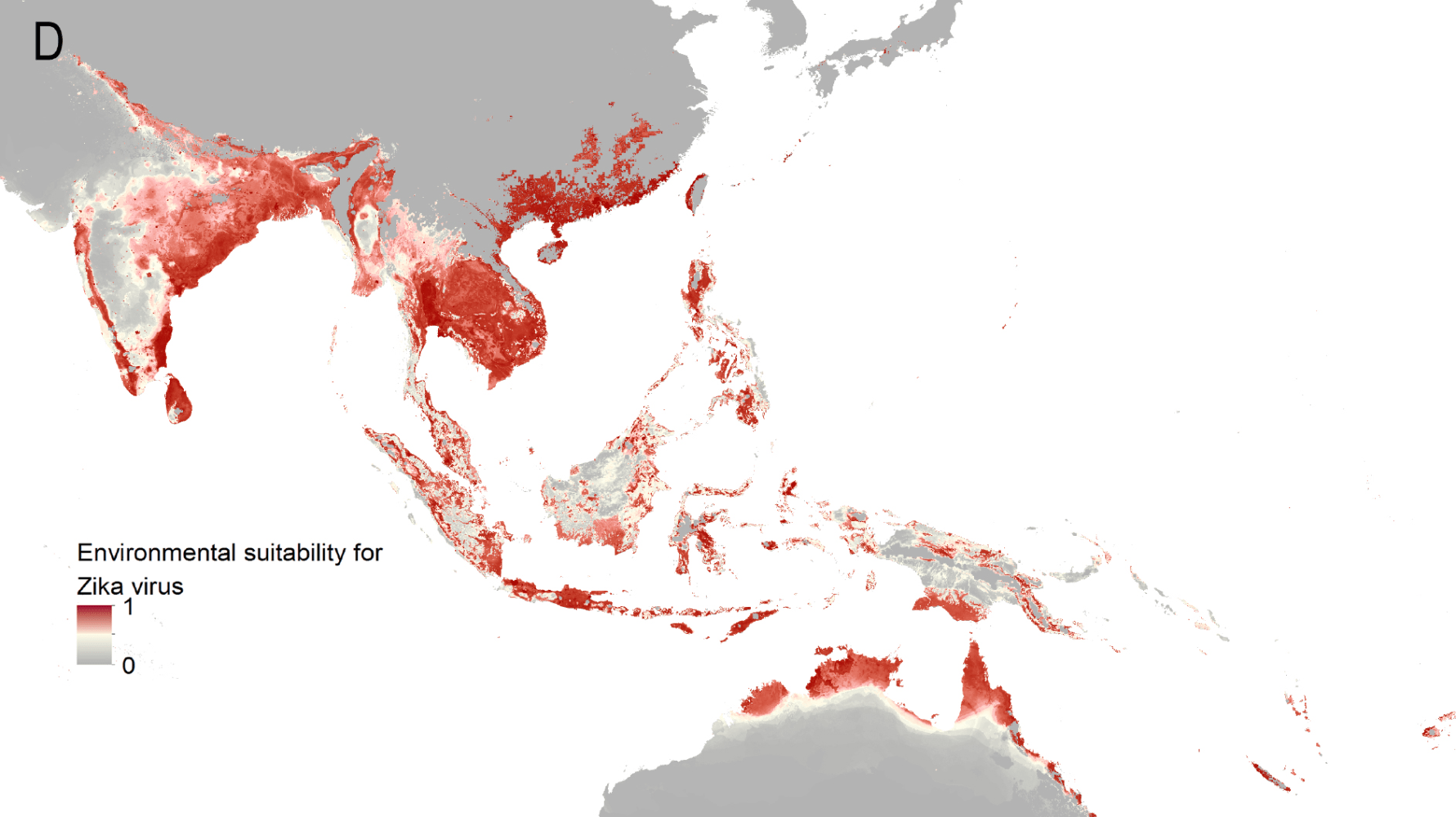
How long before zika strikes? Some believe the virus has already arrived. Because it is symptomatically similar to the other seasonal fevers and masked by them, it has not been isolated as such. A study of the conditions conducive to proliferation of the virus around the world highlights Asia. About 2 billion people may be in this “zika zone”. The fertile eastern sector of India that boasts of heavy monsoons has been mapped as distinctly vulnerable.

Awareness if social health is therefore necessary within communities of people. They would need to know that antibiotics may not be effective on the long run, but the collective attention to keeping the environment clean would certainly help to check mosquito infestations and hence the rampant spread of diseases.

However, many of the privileged generation next may prefer to remain ensconced in their contrived reality. “How stupid!” scoffed the Internet-savvy collegiate, pausing his multiplayer war gaming for a moment to heap scorn on my campaign proposal. “You have nothing better to do than to chase after mosquitoes? Why should we join you? Know this, we just don’t care!”